
Reclaiming Public Health: Making Our Health a Shared Human Story
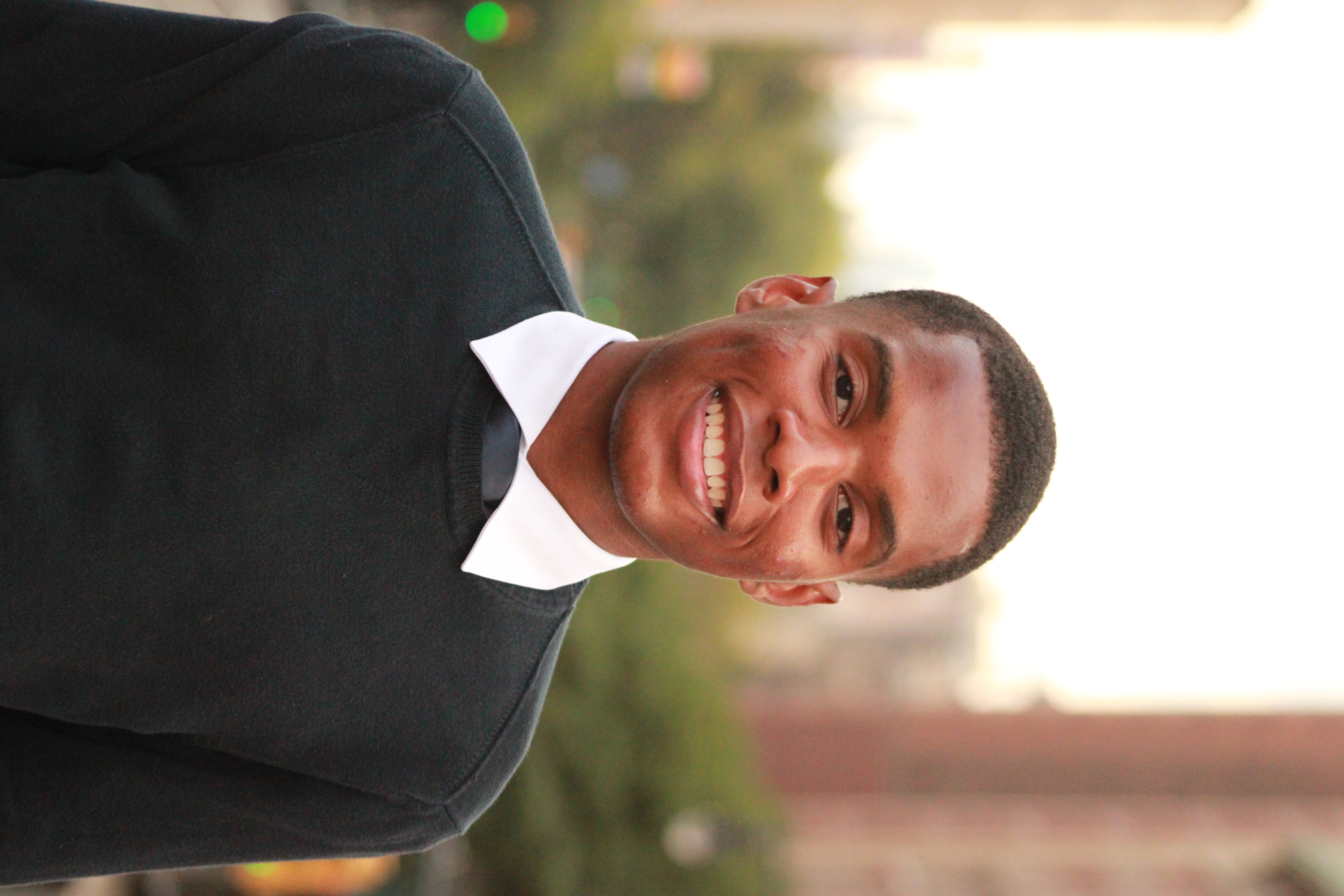
// When we think about health in America, our minds often shift directly towards medicine: hospitals, doctors, nurses, and vaccines. Yet, as Dean Linda Fried of Columbia University Mailman School of Public Health reminded me during a recent conversation, medical care accounts for only 20% of a population's health. The other 80% is determined by the conditions and factors we live in: clean air and water, access to education, income, and the ability to age in a supportive community. All of these outline the true foundation of public health in America.
And yet, we have built our healthcare system backwards in America. In the United States, only 3% of our national health spending goes toward public health, even though around 70% of what shapes population health stems from it. Instead of investing in prevention, we’ve invested in reaction. We’ve poured resources into treating illnesses after they occur, rather than building systems that help people prevent getting sick to begin with.
Dean Fried also reflected on how we didn’t get to this imbalance by chance. Decades ago, tracing back to the Ronald Raegan administration, political narratives rhetorically shifted the idea that public goods (like public health, welfare, and social services) were benefiting “those people”, and not “us”. As a result, this message that public goods only help “others” at the expense of “me” deliberately fractured collective well-being and normalized the underinvestments in the systems that sustain life outside of hospital walls. Today, it makes public health seem ‘political’ or ‘partisan’ rather than what it truly is: a shared investment in everyone’s health and future.
But the problem isn’t simply a lack of knowledge anymore…it's a lack of translation. How do we bring what we know in academia and research about public health to the communities that need it most in ways that are accessible and actionable? This question sits at the center of the Tande Project. Our goal is to close the gap between knowledge and access, making public health not just a field of study, but a movement of understanding. We believe that everyone deserves to properly learn how the systems around them affect their health and that real change begins when information becomes connection.
As the Tande Project begins its journey to accomplish this, it's important to remind ourselves that public health is not a service for “others.” It is the infrastructure of our shared humanity: the air we breathe, the safety of our water, and the access to valuable and real information.
Comments